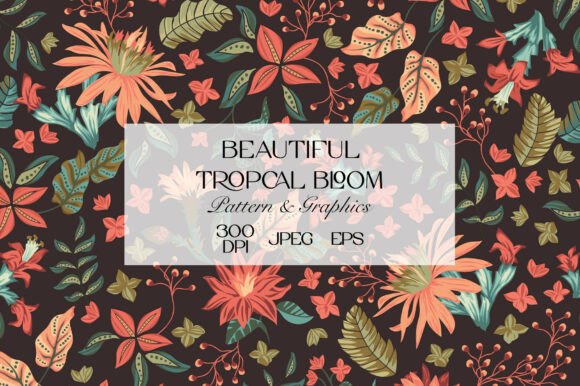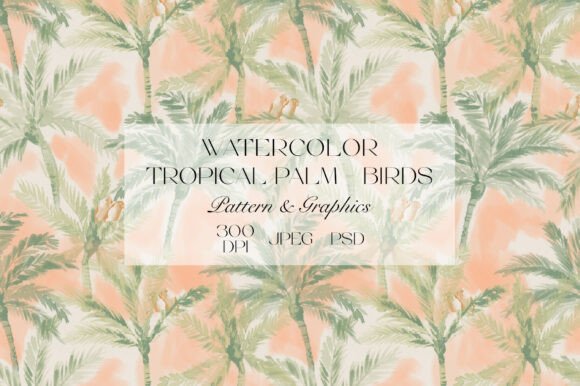
Watercolor Tropical Floral Pattern: A Versatile Design for Modern Creative Projects
The Watercolor Tropical Floral Pattern has emerged as a popular design choice among artists, designers, and crafters seeking to infuse warmth and vibrancy into their work. Inspired by the lush flora of tropical climates, this pattern uses watercolor techniques to create soft, blended flowers that feel both organic and stylized. Whether you're designing for fashion, home décor, or digital media, understanding what makes this pattern unique and how it fits into your creative workflow is essential.
What Is a Watercolor Tropical Floral Pattern?
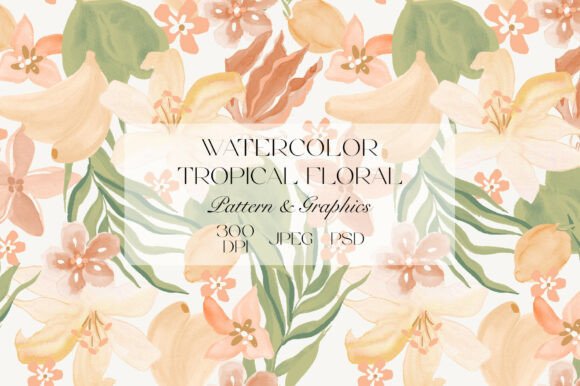
A Watercolor Tropical Floral Pattern typically features hand-painted elements with a watercolor aesthetic—soft edges, subtle color transitions, and a sense of fluidity. The flowers depicted are often stylized versions of tropical blooms like hibiscus, orchids, and palm blossoms, arranged in a repeating format to form a seamless design. These patterns can be created digitally using tools like Adobe Photoshop or Illustrator, allowing for precise control over colors, spacing, and layout.
One of the defining characteristics of this style is its ability to evoke a sense of summer, relaxation, and natural beauty without being overly literal. The use of watercolor gives the design a gentle, painterly feel, making it ideal for projects where a soft yet vibrant look is desired.
Key Features and Benefits
- Seamless Repetition: This pattern is designed to repeat seamlessly, ensuring it can be tiled across any surface without visible breaks or seams.
- Versatility: Suitable for a wide range of applications including textiles, wallpapers, print materials, cards, wrapping paper, and even fashion designs such as t-shirts and swimwear.
- High-Quality Files: Often provided in formats like PSD (Photoshop Document) with individual elements editable for customization, along with JPEG previews at 300dpi for accurate printing and viewing.
- Stylized Elements: The floral motifs are usually simplified or abstracted, offering a balance between realism and artistic interpretation.
When to Choose Watercolor Tropical Floral Over Other Styles
While many floral patterns exist in various styles—from bold, geometric prints to intricate botanical illustrations—the Watercolor Tropical Floral Pattern stands out for specific use cases. Here’s how it compares to some alternatives:
1. Botanical Illustration Patterns
Botanical illustration patterns tend to be more detailed and scientific in nature, focusing on accuracy and realism. They’re excellent for educational content or high-end stationery but may not provide the same relaxed, summery vibe as a watercolor tropical floral pattern. If your project requires a more refined or traditional look, consider this alternative. However, if you want something more playful and less structured, the watercolor style could be a better fit.
2. Digital Vector Floral Patterns
Vector-based floral designs offer scalability and crispness, especially important for logos or large-scale banners. While they can mimic watercolor effects, they often lack the texture and depth achieved through true watercolor painting. For projects requiring clean lines and sharp edges, vector florals are preferable. But for those looking to add warmth and a handcrafted touch, the watercolor approach delivers a more authentic visual experience.
3. Solid Color Block Patterns
Solid color block designs are minimalistic and modern, suitable for contemporary fashion and interior design trends. In contrast, the Watercolor Tropical Floral Pattern offers a richer, more textured background. If your goal is to make a bold statement with geometry and simplicity, go for solid blocks. If you aim to create a serene, nature-inspired atmosphere, the watercolor option will serve you better.
Best-Fit Applications and Industries
This pattern’s adaptability makes it a favorite in several industries. Below are some scenarios where it shines:
Fashion and Apparel
In the realm of fashion, the Watercolor Tropical Floral Pattern works well for casual wear such as t-shirts, dresses, and swimwear. Its soft hues and flowing lines complement light fabrics and create a breezy, beach-ready aesthetic. Unlike more intense or saturated floral prints, watercolor versions offer a subtler presence, making them easier to pair with other garments or accessories.
Home Décor and Textiles
From throw pillows to curtains, this pattern adds a fresh, inviting element to living spaces. It’s particularly effective in summer-themed rooms or as a year-round accent due to its soothing palette. The seamless nature of the design ensures it can be applied consistently across different sizes and shapes of fabric items.
Digital Media and Web Design
As a wallpaper or background element in digital products, the Watercolor Tropical Floral Pattern brings an artistic flair without overwhelming the viewer. Its pastel tones and organic forms help maintain readability and usability, which is crucial in UI/UX design. It's also commonly used in branding for wellness, travel, and lifestyle businesses that want to convey a sense of calm and creativity.
Print Materials and Packaging
For greeting cards, packaging, and promotional materials, the watercolor style offers a tactile and appealing look. Compared to flat, pixelated graphics, the soft gradients and layered textures of a watercolor tropical floral pattern can elevate the perceived quality of printed goods. When paired with eco-friendly papers or natural fibers, the effect is even more harmonious.
Strengths and Limitations
Like all design choices, the Watercolor Tropical Floral Pattern comes with its own set of advantages and potential drawbacks. Understanding these can help you decide if it aligns with your goals:
Strengths
- Timeless Appeal: The blend of nature and artistry ensures it remains relevant across seasons and trends.
- Easy Customization: With access to a PSD file, designers can tweak individual elements, adjust spacing, or change color schemes to match brand aesthetics or client preferences.
- Widely Applicable: From digital screens to physical products, this pattern adapts well to multiple formats and substrates.
- Emotional Resonance: Evokes feelings of joy, tranquility, and connection to nature, making it ideal for lifestyle and wellness-related projects.
Limitations
- Not Ideal for High Contrast Designs: Due to its soft, blended appearance, it may not stand out well in low-light environments or when paired with dark backgrounds.
- Limited Structural Use: Because of its delicate look, it’s less suited for industrial or technical applications where durability and clarity are paramount.
- May Require Layering for Depth: To achieve the desired impact in certain contexts, additional design layers might be needed to prevent the pattern from appearing too flat.
How to Integrate Into Your Workflow
Whether you're a seasoned designer or just starting out, incorporating a Watercolor Tropical Floral Pattern into your work can be straightforward. Here are a few tips to maximize its effectiveness:
- Use the PSD File: Editable layers allow you to customize the pattern easily, adjusting colors or rearranging elements to suit your project needs.
- Consider Color Theory: Stick to a cohesive color scheme to ensure the pattern complements rather than clashes with your overall design.
- Test Print Quality: Before finalizing for production, print a sample to check how the pattern looks on different materials and scales.
- Pair with Minimalist Elements: Balance the pattern’s richness with simpler typography or layout structures to avoid overwhelming the viewer.
Alternatives to Consider
While the Watercolor Tropical Floral Pattern is highly versatile, there are times when another style might be more appropriate. For example:
- Geometric Florals: Offer a modern twist with angular repetition and bold contrasts, great for urban or tech-focused brands.
- Minimalist Line Drawings: Provide a clean, elegant look that works well in luxury fashion or sophisticated interiors.
- Hand-Drawn Sketch Patterns: Perfect for artisanal or handmade product lines that emphasize authenticity and craftsmanship.
Evaluating these options alongside the watercolor style can help you choose the one that best reflects your brand identity or project vision.
Conclusion
The Watercolor Tropical Floral Pattern is a compelling choice for anyone looking to incorporate a warm, artistic, and adaptable design into their creative work. Its seamless format, rich textures, and broad application range make it a valuable resource for textile designers, graphic artists, and print professionals alike. However, it’s not a one-size-fits-all solution. By weighing its strengths against your project requirements and considering realistic alternatives, you can make a more informed decision about whether this pattern is right for you.
If you're interested in exploring new seamless patterns, prints, and illustrations, remember to revisit your preferred shops regularly. Many creators update their collections weekly, introducing fresh variations and styles that can enhance your next project.