Vintage Sepia French Toile Digital Paper: Timeless Elegance for Creative Projects
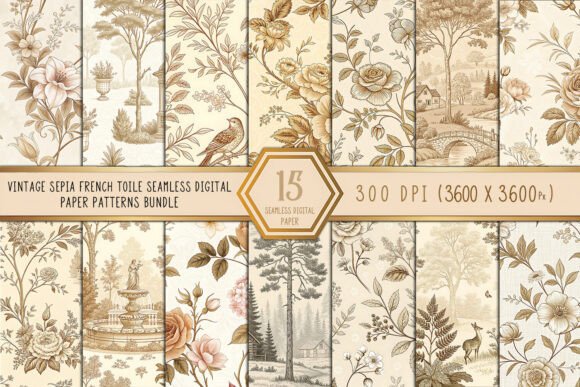
Vintage Sepia French Toile Digital Paper is a digital design treasure that brings the charm of 18th-century European countryside art into your modern creative workspace. This style features intricate floral motifs, pastoral scenes, and a warm sepia tone that evokes nostalgia and vintage aesthetics. Originally popularized in France as Toile de Jouy, these patterns are now available in high-resolution digital formats, making them perfect for scrapbooking, fabric printing, stationery design, and more.
Why Choose Vintage Sepia French Toile Digital Paper?
Creative professionals and hobbyists alike are drawn to this unique paper style because it adds a touch of classic elegance to any project. Whether you're designing wedding invitations with a rustic twist or crafting a digital planner inspired by cottagecore themes, these patterns provide a rich visual texture that stands out without overwhelming the design.
One major advantage of using digital versions is their seamless nature. Unlike traditional prints that may require careful alignment when tiling, these digital papers are designed to repeat effortlessly, saving time and reducing errors in layout creation. Additionally, they come in high-resolution JPG files at 300 DPI, ensuring crisp, clear results whether printed or used digitally.
Common Mistakes When Selecting and Using Digital Toile Papers
Despite their beauty and versatility, many creators make avoidable mistakes when choosing or applying Vintage Sepia French Toile Digital Paper. Here are some common pitfalls and how to steer clear of them:
- Overlooking Pattern Scale: It’s easy to assume that all toile patterns look the same when scaled, but this isn't always true. Some designs work better on smaller items like greeting cards, while others need more space to show their full detail. Always preview the pattern at actual size before finalizing its use.
- Ignoring File Format Compatibility: While most design software supports JPGs, not everyone checks if their tools can handle large file sizes or high resolutions properly. A mismatch here could lead to blurry outputs or failed print jobs.
- Assuming All Patterns Are Seamless: Not every toile design is made for tiling. If you’re creating a larger background or fabric layout, ensure the pattern is truly seamless to prevent visible seams disrupting the flow of your design.
- Underestimating Color Fading: Sepia tones can vary depending on screen calibration and printer settings. What looks warm and inviting on your monitor might appear washed out or too dark when printed. Always test colors on physical media before committing to a batch of printed materials.
How These Errors Can Impact Your Work
Choosing the wrong scale can result in a design that feels cluttered or sparse, which affects the overall aesthetic appeal. If you overlook file compatibility, you might end up spending hours troubleshooting why your image doesn’t render correctly—time that could have been used refining your creative vision.
Non-seamless patterns can ruin the illusion of a continuous fabric or wallpaper design, leading to a less professional outcome. Similarly, inaccurate color representation can compromise brand identity or emotional tone in projects such as event invitations or marketing collateral.
Practical Tips for Better Results
To get the most out of your Vintage Sepia French Toile Digital Paper collection, follow these best practices:
- Test Before You Print: Use a small swatch or mock-up to see how the pattern appears when printed. This step helps you adjust brightness, contrast, and saturation for optimal results.
- Plan for Repetition: When using the pattern for backgrounds or fabric, simulate tiling in your design software first. Zoom out to check for continuity and adjust if necessary.
- Match Resolution to Purpose: The 300 DPI resolution included in the bundle is ideal for most print applications, but if you're working on a website or mobile wallpaper, you might want to export lower-res versions to optimize loading speed.
- Use Layer Styles Wisely: In digital editing, consider applying subtle textures or overlays to enhance the antique feel of the paper without overshadowing other elements in your composition.
Real-World Applications and Examples
Let’s explore a few scenarios where these digital papers shine—and where people often go wrong:
Scenario 1: Scrapbooking
A scrapbooker might choose a Vintage Sepia French Toile pattern to create an elegant album for family photos. However, if the pattern is too busy, it can distract from the main content. A better approach is to select a pattern with softer lines and lighter hues to complement rather than compete with the imagery.
Scenario 2: Fabric Printing
Quilters and sewers love the nostalgic feel of toile patterns, but sometimes they forget to account for fabric shrinkage after washing. Always allow extra margin around the edges when printing onto fabric to avoid losing important design elements during post-print care.
Scenario 3: Stationery Design
When designing wedding invites or birthday cards, some users apply the pattern across the entire surface without considering legibility. Instead, use the pattern as a border or background element, keeping text areas clean and uncluttered for readability and impact.
What to Check Before Purchasing or Downloading
To ensure you're making the right choice for your needs, consider the following factors before buying the Vintage Sepia French Toile Digital Paper Bundle:
- Resolution and Dimensions: Confirm that each file is 300 DPI and measures 12 x 12 inches (3600 x 3600 px). This ensures compatibility with most printers and maintains quality in both digital and physical outputs.
- File Type: Since these are JPG files, verify that your workflow includes software that supports this format. If you need transparency layers, be sure to note that and possibly convert or layer them manually.
- Seamlessness: Look at sample tiles provided by the seller. Move the cursor over the edges to see if the pattern flows smoothly. A true seamless pattern will connect without visible breaks.
- ZIP Folder Requirements: Remember, this is a digital download. Ensure your device has the ability to unzip folders and that you have enough storage space for the 15-pattern bundle.
Enhancing Creativity with the Right Tools
Having access to 15 different designs means you can mix and match to suit various moods and themes. For instance, one pattern might work beautifully for a rustic barn wedding invitation, while another could add depth to a vintage-style wall art piece. The key is to understand how each pattern interacts with your chosen colors and fonts.
If you're new to working with digital paper bundles, take time to explore each design. Try overlaying them on different surfaces in your design tool to see how they respond to light, shadow, and texture. This experimentation phase can help you discover unexpected uses and elevate your final product.
Conclusion
Vintage Sepia French Toile Digital Paper offers a versatile and visually appealing option for a wide range of creative endeavors. By understanding what makes these patterns special and avoiding common missteps in their application, you can unlock their full potential. Whether you're crafting for personal enjoyment or client projects, investing time in learning how to use these designs effectively pays off in quality and satisfaction.
Before purchasing, double-check the specifications and test the patterns in your intended context. With thoughtful preparation and a bit of creativity, you'll find that this timeless style becomes an essential part of your design toolkit.